The Ultimate Guide to Essential Car Spare Parts at Great Prices: Save Big on Your Next Repair!
In the domain of vehicle maintenance, grasping the importance of car spare parts is essential for every owner. Premium components can considerably cut repair costs while boosting overall performance. Detecting signs of deterioration, like odd noises or instrument panel alerts, is key to timely maintenance. This overview covers important spare parts and delivers advice on where to acquire them. It further examines the trade-off between self-repairs and expert help, pointing to developing trends that may transform the industry.
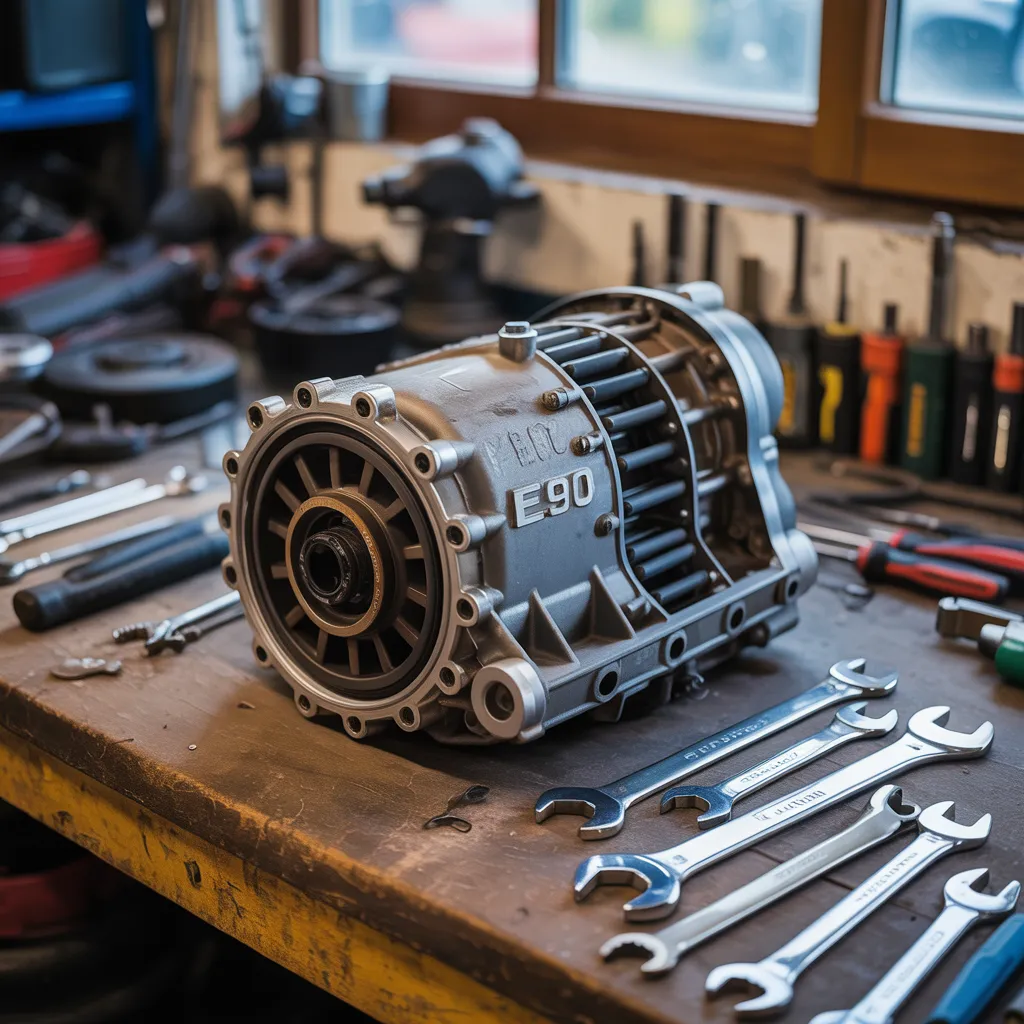
Grasping the Value of Car Spare Parts
Automotive spare parts are essential components that significantly impact a vehicle's performance and lifespan. They make certain that an automobile runs optimally, safely, and consistently. Periodic servicing commonly demands the exchange of worn or compromised components, which can ward off more severe complications emerging. Appreciating the value of these elements is vital for automobile owners, as overlooking the need to replace damaged parts can cause diminished performance, greater fuel expenditure, and serious safety concerns.
Quality spare parts are crucial not only for functionality but also for preserving the vehicle's resale value. Factory-original parts, for example, are designed to match the vehicle's exact specifications, guaranteeing optimal performance and seamless compatibility. Additionally, using substandard or incorrect spare parts can nullify warranties and result in further mechanical complications. Therefore, acknowledging the value of car spare parts is fundamental for the complete functionality and efficiency of all vehicles.
Determining When You Need Replacement Car Parts
How can vehicle owners effectively recognize when it's time to replace spare parts? Recognizing when spare parts require replacement is essential for preserving vehicle performance and safety. First, unusual noises, such as grinding or squeaking, often indicate worn components. Moreover, indicator lights appearing on the dashboard should always be taken seriously; they regularly highlight defective parts that need immediate action.
An additional sign can be fluid leaks, which can suggest a failing seal or gasket. Vehicle owners should be mindful of handling changes, such as shaking or drifting to one side, as these issues may originate from suspension or tire problems. Consistent maintenance checks and inspections are vital; they enable early detection of problems before they worsen. Lastly, reviewing the vehicle's owner manual can supply information about replacement intervals for various components, ensuring that owners remain proactive in their vehicle care.
Best Online Retailers for Car Spare Parts Savings
Recognizing the need for spare parts is merely the initial step; finding affordable solutions for replacements is just as crucial. Numerous online retailers provide a broad selection of car spare parts at affordable costs, making it easier for consumers to reduce expenses. Websites like RockAuto provide an extensive catalog with thorough specifications, allowing users to assess pricing with ease. AutoZone and Advance Auto Parts also have robust online platforms, regularly offering promotions and discounts that maximize value.
eBay Motors stands out for its extensive inventory, including both new and used parts, catering to various budgets. Additionally, Amazon provides ease of shopping through its Prime delivery and customer feedback, enabling shoppers to make well-informed choices. For those looking for specific or rare parts, dedicated platforms like CarParts.com prove to be advantageous. By taking advantage of these online tools, automobile owners can secure high-quality parts while staying within their financial limits, ultimately enhancing their repair experience.
Self-Help vs. Professional Repairs: Making the Smart Decision
When thinking about car repairs, people must weigh the expenses related to do-it-yourself solutions compared to those of using a professional mechanic. The required skill level for certain repairs also has a significant impact on determining the best approach. At the end of the day, making an informed decision can save time and money while maintaining safety and efficiency.
Pricing Considerations
A large number of vehicle owners deal with the dilemma of deciding between DIY repairs and hiring professional mechanics, both of which come with distinct financial consequences. DIY repairs typically save on labor costs, permitting owners to focus their spending on parts alone. However, they require an initial investment in tools and a possible learning curve that could result in expensive errors. In contrast, skilled mechanics provide expertise and proficiency, but their services come with higher labor costs. This can quickly add up, especially for extensive repairs. Ultimately, the decision copyrights on the owner's available funds, self-assurance, and the type of repair at hand. Assessing the long-term expenses and possible savings is critical to identifying the most cost-effective solution.
Level of Skill Needed
Selecting between do-it-yourself repairs and professional help typically comes down to the expertise needed for the job at hand. try this When it comes to basic repairs, including battery changes or wiper blade replacements, many car owners find they can manage the task themselves using basic tools and simple instructions. That said, more complicated problems, including engine overhauls or transmission repairs, call for technical expertise and practical experience. Professionals not only possess the necessary skills but also access to specialized equipment that guarantees repairs are completed safely and effectively. In the end, the choice should be guided by a person's trust in their own capabilities, the intricacy of the task, and the financial risk of getting it wrong. Considering these elements can assist vehicle owners reach sound conclusions about their automotive repair decisions.
How to Buy Quality Car Spare Parts
When purchasing vehicle spare parts, it is important to assess the compatibility of every part with the car model. Moreover, opting for reliable suppliers can guarantee the durability and quality of the auto parts. Being aware of these considerations can greatly impact the overall performance and safety of the vehicle.
Assessing Part Compatibility
Examining part compatibility is crucial for maintaining optimal vehicle performance and safety. When acquiring spare parts, one must confirm that the components align with the specifications of the vehicle's make and model. This includes reviewing the part numbers, dimensions, and materials, as discrepancies can lead to poor performance or even damage. Using the vehicle identification number (VIN) can simplify this process, ensuring that the correct parts are identified. Additionally, referencing the owner's manual or manufacturer guidelines is recommended. Compatibility goes beyond simple fitment; it also encompasses the part's performance characteristics, which should align with the vehicle's requirements. By meticulously evaluating compatibility, vehicle owners can maximize lifespan and performance while limiting the risk of costly repairs.
Finding Dependable Suppliers
Procuring reliable car replacement parts calls for careful consideration of vendors to confirm reliability and performance. Interested buyers should identify reputable suppliers with a demonstrated background of offering original parts. Online reviews and customer testimonials can supply information into the vendor's dependability and level of service. It is equally important to verify whether the provider is certified by the parts manufacturer (OEM), as this commonly confirms conformity to industry standards. In addition, reviewing rates among multiple providers can assist in determining fair market values, but customers should be alert to prices appearing too good to be true, as they may signal below-standard items. Developing a partnership with reputable distributors can bring about better deals and improved service assistance in the future.
Key Trends in Car Spare Parts You Need to Be Aware Of
As the automotive industry evolves, emerging trends in car spare parts are transforming the market for both producers and buyers. One significant trend is the increasing demand for electric vehicle (EV) components. As more buyers transition to EVs, parts connected to battery servicing and electric drivetrains are rising in importance.
Another emerging trend is the rise of aftermarket parts that include advanced technology, such as smart sensors and connectivity options, boosting vehicle performance and safety. Sustainability additionally plays a critical role; manufacturers are concentrating on sustainable materials and recycling efforts to address consumer expectations regarding environmentally responsible practices.
Moreover, the integration of 3D fabrication technology makes possible quicker creation and modification of replacement components, lowering production timelines and overhead. Overall, these developments demonstrate a progressive vehicle industry landscape, where innovation and sustainability converge, presenting new prospects for both end users and the wider automotive sector.
Questions We Are Often Asked
How Do I Know if a Spare Part Is Fake?
To identify whether a spare part is copyright, it is advisable to inspect packaging quality, verify the presence of absent certification markings, match product details to manufacturer specifications, and source from reliable vendors to ensure authenticity and reliability.
What Are the Available Warranty Choices for Car Spare Parts?
Warranty choices for vehicle spare parts differ across manufacturers and retailers. Typically, they range from thirty days to several years, covering material or workmanship defects. Buyers should always review terms before purchase to secure sufficient coverage.
Is It Safe to Use Used Car Spare Parts for Repairs?
Pre-owned vehicle parts prove to be dependable for fixing vehicles, when obtained through reputable suppliers. Condition checks and assurances are commonly included with these pieces, ensuring functionality and safety when properly installed and maintained by qualified technicians.
What Are the Proper Steps to Maintain Spare Parts After Installation?
To preserve spare parts following installation, one should routinely check for wear, keep them clean, comply with manufacturer instructions for maintenance, ensure proper lubrication, and resolve problems quickly to extend their service life and guarantee maximum efficiency.
Am I Able to Return Spare Parts if They Fail to Fit?
Yes, components can usually be sent back if they don't fit, as long as they are in unused condition and within the applicable return window. It is wise to verify specific retailer policies ahead of making any purchase.